


Japan and Korea Tour
A route through Tokyo, Kyoto, Osaka and Seoul across Japan and South Korea.
Japan to South Korea, one route
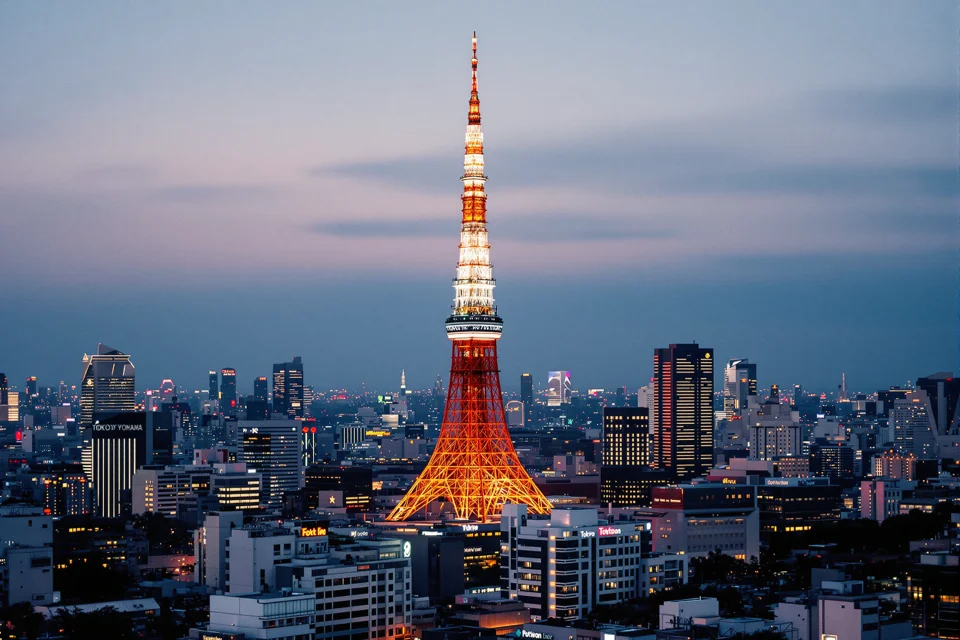
This tour begins in Tokyo's Asakusa and Shibuya districts and continues through Mount Fuji, Hakone and Kyoto's temples. Over nine days the route also visits Arashiyama Bamboo Forest, Kinkakuji Temple and Fushimi Inari before flying from Osaka to Seoul, where Gyeongbokgung Palace and Bukchon Hanok Village show the traditional and modern sides of South Korean life.
Read more
This Japan and South Korea route links two countries in eight nights, from Tokyo to Seoul. Mount Fuji, Hakone, Lake Ashi and Oshino Hakkai fill the early days. The Tokyo city tour includes stops such as Senso ji in Asakusa and Shibuya. A fast train leads to Kyoto for the Arashiyama bamboo grove and the Kinkaku ji temple. After Nara, Osaka Castle and Dotonbori, the Seoul part visits Gyeongbokgung Palace and Insadong street.
Mount Fuji views
A boat tour on Lake Ashi and the natural pools of Oshino Hakkai.
Kyoto's temples
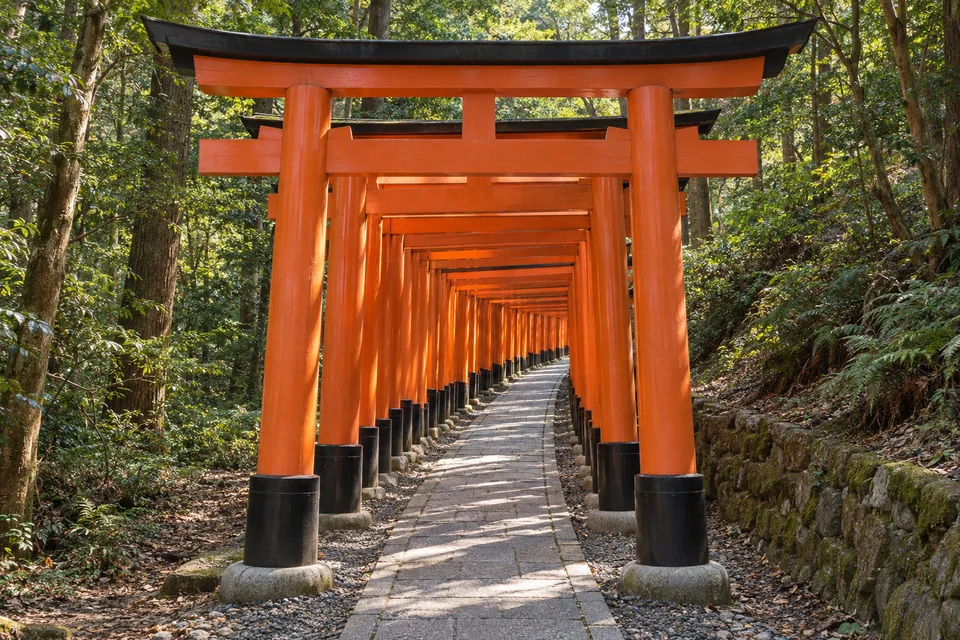
Arashiyama Bamboo Forest, Kinkakuji Temple and Fushimi Inari.
Palace and village in Seoul
Gyeongbokgung Palace and the traditional Bukchon Hanok Village.
Change the preference, keep the route.
Airline
The route of the journey
After breakfast, we set off for Mount Fuji, located southwest of Tokyo on Honshu Island. Considered Tokyo's oldest Buddhist temple, it was built, according to legend, in honor of Kannon, the Goddess of Mercy, after two fisherman brothers found a statue of her.
01ISTANBUL - TOKYOAn overnight flight and arrival in Tokyo.
Istanbul to Tokyo
We meet at the International Departures Terminal of Istanbul Airport 1 calendar day before the departure flight date, approximately 3 hours before the flight time. After completing baggage check-in and passport formalities, we depart for Tokyo on a scheduled Turkish Airlines flight. We spend the night on board during the overnight journey. Upon arrival in Tokyo, we complete passport formalities and collect our baggage, then transfer to our hotel in the private vehicle waiting for us. Overnight at our hotel.
02TOKYO - MOUNT FUJI - HAKONE - LAKE ASHI - OSHINO HAKKAI - GOTEMBA OUTLET - TOKYOA boat tour on Lake Ashi, Oshino Hakkai and Gotemba Outlet.
Mount Fuji and Hakone
After breakfast, we set off for Mount Fuji, located southwest of Tokyo on Honshu Island. Mount Fuji is Japan’s highest mountain and is also one of the city’s landmarks. First, we head to Hakone in the Kanagawa region, known for its views of Mount Fuji and its natural scenery. Here, we take a boat tour on Lake Ashi to enjoy the views.
After a photo stop, we travel by bus to Oshino Hakkai. In this area, melting snow combines with groundwater to form natural pools. The water is naturally filtered as it passes through volcanic rock, keeping the pools clear. You can see Mount Fuji reflected in these pools, which vary in size and depth.
After the tour with our guide, we head to Gotemba Shopping Centre, one of Japan’s largest outlet shopping centres. Following free time for shopping, we transfer to our hotel. There is free time to rest.
03TOKYO - ASAKUSA SENSO-JI TEMPLE - NAKAMISE - SHIBUYA - GINZA - TOKYOSenso-ji Temple, Shibuya Scramble Crossing and Ginza.
Asakusa, Shibuya and Ginza
After breakfast, we begin our city tour exploring Tokyo's history and modern life. We first visit Senso-ji Temple in the Asakusa district. Considered Tokyo's oldest Buddhist temple, it was built, according to legend, in honor of Kannon, the Goddess of Mercy, after two fisherman brothers found a statue of her. Completed in AD 645, the temple has Kaminarimon (Thunder Gate) at its entrance. Passing through this gate, we walk along Nakamise Shopping Street, which stretches approximately 200 meters toward the temple. On this historic street reflecting traditional Japanese culture, you can browse handmade souvenirs, kimonos, folding fans and local products. Guests who wish can sample Asakusa's street food and traditional Japanese flavors. We pass through Hozomon Gate at the end of the street to reach Senso-ji Temple.
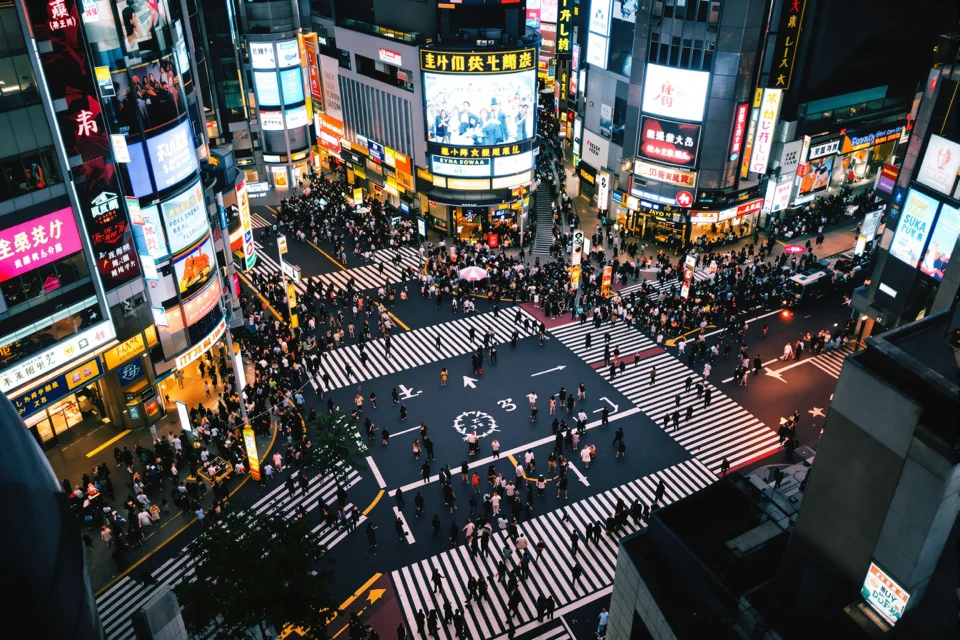
We then head to Shibuya, known for its entertainment and cultural events. One of Tokyo's well-known and lively districts, Shibuya is home to Shibuya Scramble Crossing, one of the world's busiest pedestrian crossings. Here, we watch hundreds of people cross at the same time whenever the lights change.
Our tour continues with Ginza, one of Tokyo's shopping districts. The area is known for its wide boulevards, modern architecture, luxury stores, art galleries and cafés. After exploring the area with commentary from our guide, you have free time to shop, look around and take a meal break. When the allotted free time ends, we meet at the designated point and depart for our hotel. We spend the night at our hotel.
04TOKYO - ARASHIYAMA BAMBOO FOREST - KINKAKUJI TEMPLE - KIYOMIZU DERA - FUSHIMI INARI - KYOTOArashiyama Bamboo Forest, Kinkakuji and Fushimi Inari.
Kyoto's temples
After breakfast, we travel to Kyoto by Shinkansen (high-speed train). We board our private bus waiting for us and set off towards Kyoto, known for its temples, gardens and traditional neighbourhoods. Japan’s former capital, Kyoto is one of the places where traditional culture is best preserved. After a journey of approximately 1 hour, we begin our city tour. Kyoto was the only place in Japan that was not bombed during World War II and is on the UNESCO World Cultural Heritage List.
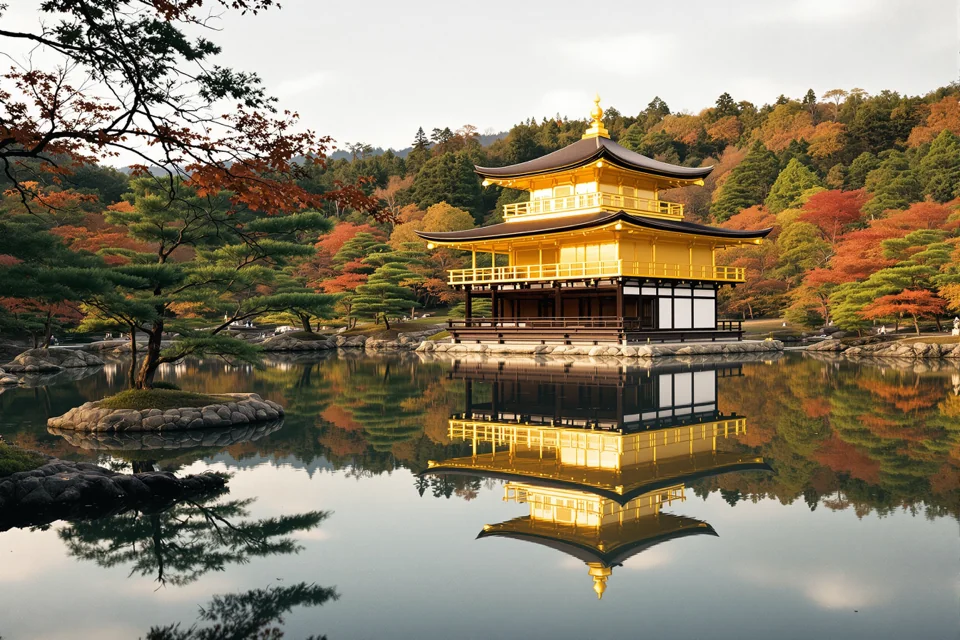
Our first stop is Arashiyama Bamboo Forest. Along the 500-metre walking path, you can listen to the wind passing through the bamboo and take photographs. We then continue our tour with a visit to Kinkakuji Temple. Located in northern Kyoto, this Zen temple is also known as the Golden Pavilion because its top two floors are entirely covered in gold leaf. Overlooking a large pond, the building features a different architectural style on each floor.
Our next stop is Kiyomizu-dera, an independent Buddhist temple in eastern Kyoto. One of the historic monuments of ancient Tokyo, the temple has been added to the UNESCO World Heritage List. The waters of Otowa Waterfall, located directly below the main hall, flow into a lake through 3 channels. According to belief, these channels symbolise knowledge, health and longevity, respectively.
We then head to Fushimi Inari. We explore this temple, one of Japan’s best-known Shinto temples, recognised for its thousands of orange Torii gates. After this visit, we continue to our final stop, Fushimi Inari Taisha Temple, which is on the UNESCO World Heritage List. We complete our temple visit with views of Kyoto and transfer to our hotel. You have free time to rest.
Travel between Tokyo and Kyoto will be by high-speed train to save time. For this day, guests only need to bring hand luggage containing their essentials for one night. Large suitcases will be collected from the hotel and delivered directly to the hotel where we will be staying in Kyoto.
05Day 5Todaiji Temple and the free-roaming deer of Nara Park.
Nara and its deer park
After breakfast, we check out of our hotel in Kyoto and set off for our Nara tour. Our first stop is Todaiji Temple. Built in 752 to serve as the central temple for all Buddhist temples, it gradually gained influence and began to affect politics in the 8th century. Todaiji's main hall entered the record books as the world's largest wooden structure. It houses the Daibutsu, one of Japan's largest bronze Buddha statues.
We then visit Nara Park in central Nara. Established in 1880, the park is home to many of Nara's main attractions, including Todaiji, Kasuga Taisha, Kofukuji and the Nara National Museum. Hundreds of deer roam freely in the park. After an opportunity to take photos with the deer, we transfer to our hotel in Osaka. We spend the night at our hotel.
06Day 6Osaka Castle, Dotonbori and Shinsaibashi.
Osaka city tour
After breakfast, we depart by private bus for our Osaka City Tour. Our itinerary includes visits to Osaka Castle, Dotonbori and Shinsaibashi. We begin at Osaka Castle, one of the city’s key historic landmarks. Built in the 16th century on the orders of Toyotomi Hideyoshi, the castle is an important symbol of Japan’s unification period and is surrounded by a large park. We then continue to Dotonbori, known for its neon lights, busy streets and restaurants. As we explore the area, we learn about Osaka’s food culture. Our next stop is Shinsaibashi, a busy district for shopping and daily life. We give our guests free time in this area, home to shopping arcades, international brands and local boutiques. At the end of the tour, we transfer to our hotel. Overnight at our hotel.
07OSAKA - SEOULGangnam Square, then dinner in Myeongdong.
Osaka to Seoul
After breakfast, we transfer to Osaka airport and fly to Seoul with a local airline. On arrival, we complete passport control and baggage collection, then board our waiting private vehicle. In Seoul, the capital of South Korea, modern life and traditional culture exist side by side.
The first stop on our Seoul city tour is Gangnam Square. Known worldwide through PSY’s song Gangnam Style, the area is known for its luxury lifestyle, shopping and business centres. During the panoramic tour, we see Cheongdam Fashion Street, Gangnam Station, Bongeunsa Temple and Starfield Library.
We then head to Myeongdong, one of the city’s lively and popular districts. Known for its cosmetics shops, fashion boutiques, street food and restaurants, the area is where we have free time for dinner. During this time, guests can try Korean dishes, go shopping or explore Myeongdong.
After the free time, we meet at the designated time and transfer to our hotel. We check in and spend the night at the hotel.
08SEOULGyeongbokgung Palace and Bukchon Hanok Village.
Seoul's palace and village
We then set off for a tour of Gyeongbokgung Palace, Insadong Antique Street, the National Folk Museum of Korea and Bukchon Hanok Village. Built in 1395, Gyeongbokgung Palace is one of the buildings of the Joseon Dynasty. Also known as the Northern Palace, it is an important example of traditional Korean architecture. During our visit, we explore the palace courtyard. We then visit the National Folk Museum of Korea, which presents the way of life and historical development of the Korean people. The tour continues to Bukchon Hanok Village, known for its traditional Korean houses called Hanok. We walk through the narrow streets of the area, which has approximately 700 Hanok houses, to observe traditional daily life. Afterwards, we head to Myeongdong Street, one of Seoul’s busy shopping areas. We have free time in this area, known for its cosmetics stores, shops and street food. We then meet at the designated time and transfer to our hotel. After checking in, we spend the night at our hotel.
09SEOUL - ISTANBULAirport transfer and the flight back to Istanbul.
Return from Seoul
We check out of the hotel very early in the morning. We then transfer to the airport at the time set by our guide. After completing baggage and ticket procedures at the airport, we fly to Istanbul with Turkish Airlines. Our tour ends upon arrival in Istanbul, local time. We hope to see you again on another tour.
Flight details
 Outbound · 26 January 2027Return · 3 February 2027
Flight numbers, times and baggage allowance are given in your booking documents.
Where will you stay?
3* - 4* Hotels
Sold as: Breakfast included
Places visited
Included and extra costs
Included in the price
20
- Turkish Airlines scheduled economy class flights from Istanbul, arriving in Tokyo and returning from Seoul
- One-way economy class flight from Osaka to Seoul on a local scheduled airline
- Airport taxes
- 7 nights bed and breakfast accommodation in the specified hotel category
- Airport and hotel transfers
- Private coach transfers in all cities
- Tokyo tour
- Osaka tour
- Kyoto tour
- Shinkansen high-speed train tickets
- Seoul tour
- Gyeongbokgung Palace, Insadong antique street and Gangnam Square
- National Folk Museum of Korea, Bukchon Hanok Village and Myeongdong
- Dotonbori and Shinsaibashi
- Arashiyama Bamboo Grove, Kinkaku-ji Temple, Kiyomizu-dera, Fushimi Inari
- Osaka Castle, Todaiji Temple and Nara Deer Park
- Mount Fuji, Hakone, Lake Ashi, Oshino Hakkai and Gotemba Outlets
- Asakusa Senso-ji Temple, Nakamise, Shibuya Crossing, Ginza
- Professional Turkish-speaking guide and assistance service
- TÜRSAB professional liability insurance
Good to know
Cancellation and change conditions
Cancellation and change conditions are set out in the Online Sales Agreement.
Guiding
All of our guides speak Turkish.
Another date that suits you.
Other departures of the same tour · Price follows the date you choose.
Other tours in the same region.
Separate tours · Different programmes and inclusions.
Japan Adventure Tour
Only 9 seats left on this date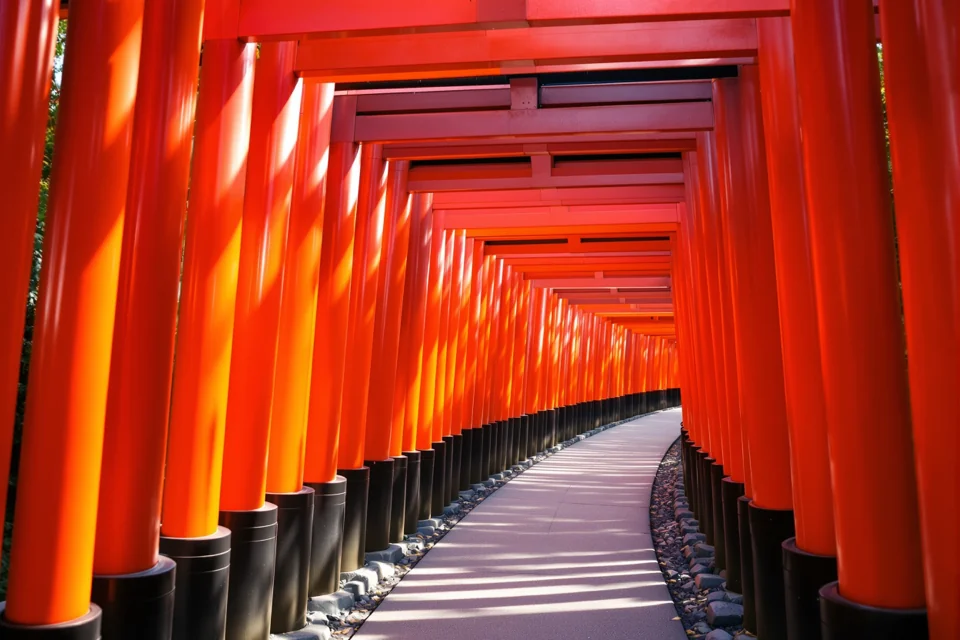

South Korea and Japan Tour
Only 9 seats left on this date